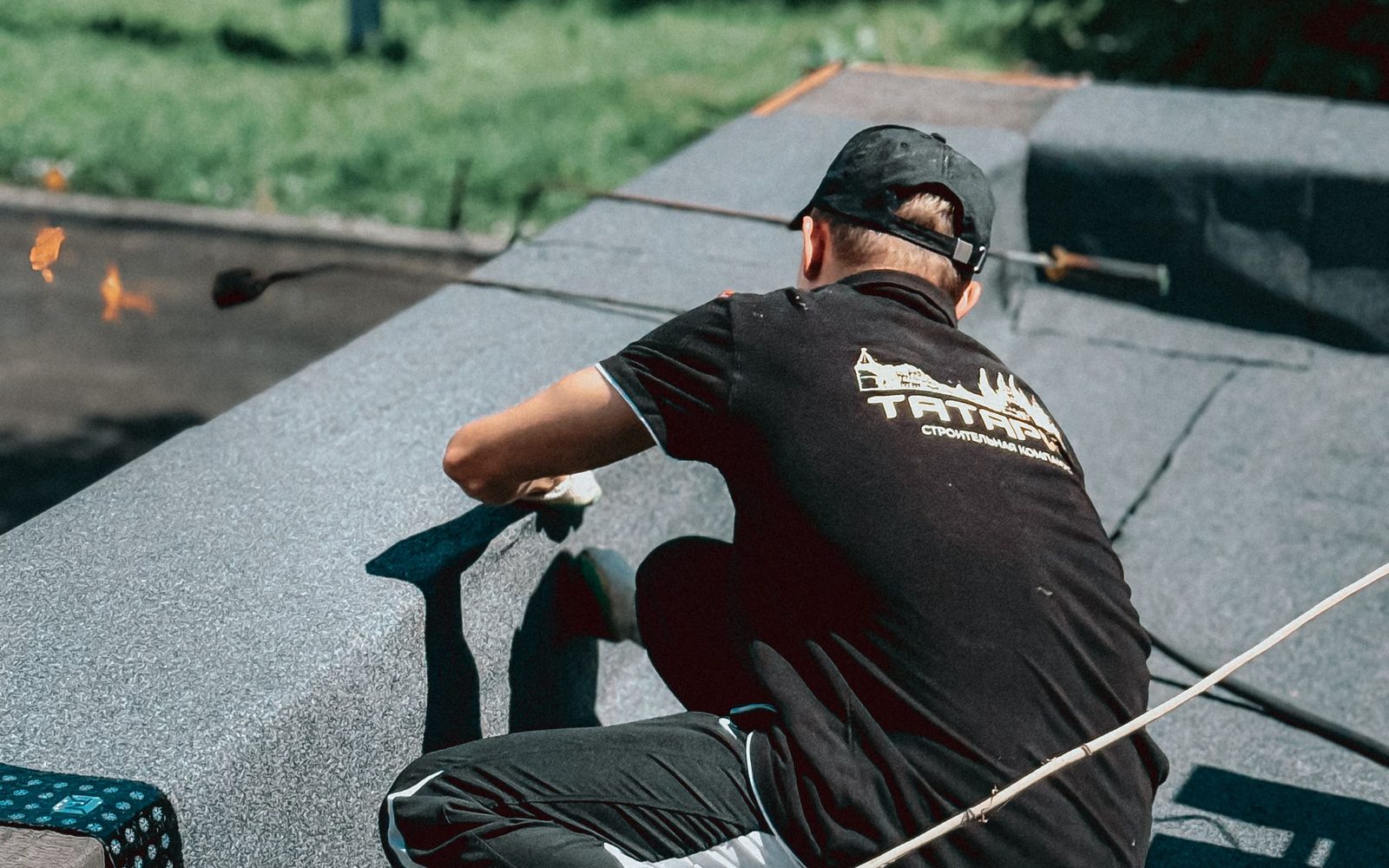
Two visits, and why it is usually two
An emergency call is answered in the conditions that caused it. That means the roof is wet, often still under rain, and the materials that make a durable repair will not bond to a wet surface. What can be done immediately is stop water entering. What has to wait is the repair that lasts.
We say that at the start rather than at the end. A temporary repair presented as a permanent one is how owners end up paying for the same leak twice and being surprised the second time. Where conditions allow the whole job to be done on the first visit, we do it and there is no second visit. Where they do not, the first invoice buys you a dry building and a record of what happened, and the second buys you a roof detail that holds.
What we will not tell you
We will not give you an arrival time we cannot stand behind. Emergency work is dispatched against whatever else is already running, and in widespread weather a great many buildings call at once. We will tell you what we know about when, and we will tell you if we cannot get there before the weather does, so you can protect what is underneath rather than wait.
We will not promise that the leak will be traced on the first visit. Water runs along the top of the deck and drops through the first opening it finds, so the wet ceiling and the damaged detail are often far apart. Tracing it properly needs a dry roof and time, and guessing at it in the rain produces a patch over sound membrane.
We will not seal over saturated insulation to close a call out quickly. It looks finished, it holds for a while, and it fails from underneath with the damage now hidden.
When people call
Almost always during or immediately after weather, and almost always about a building that had a known problem nobody had scheduled. The detail that lets go in the storm is usually one that was already hardened, split or lifted, and would have been visible on a routine visit months earlier for a fraction of what the emergency costs.
The second common call comes after work by another trade. Somebody fitted equipment, ran conduit or accessed a unit, and the roof around it was not made good. Those leaks tend to appear with the first serious rain after the work, which is often weeks later.
Common questions
What actually counts as a roofing emergency?
Water entering an occupied building, an opening that will let water in before it can be repaired normally, and anything loose on the roof that could move further.
- Those three justify an unscheduled visit; most leaks are urgent rather than emergencies
- Water near switchgear, lighting or electrical equipment is a safety problem first
- Ceiling material sagging under absorbed water can come down
- Blocked drains leave the roof carrying a load it was not designed for
- A stain days after rain that is not growing needs a proper repair
Say which of these applies when you call, because it changes what the first visit has to do and in what order. Treating an ordinary leak as an emergency costs more without fixing it faster.
What should we do inside the building before anyone reaches the roof?
Deal with what the water can damage, and do it before you deal with the roof.
- Move stock, files and anything absorbent out from under the active area
- Keep water away from panels, distribution boards and light fittings
- Water near live equipment is a call to an electrician, not a bucket problem
- Contain rather than mop: spreading water becomes a slip hazard
- A bulging ceiling tile is safer punctured into a container from a safe position
Photograph everything before you move it, because the record of what was where when the water arrived is what supports an insurance claim and cannot be recreated. Note the time the water appeared and whether it was still raining.
Can a roof be repaired while it is still raining?
Something can almost always be done, but it is stabilization rather than repair, because most roofing materials need a dry, clean surface to bond or weld to.
- Adhesives will not grab a wet membrane, and a weld will not seam through water
- Sealant into a damp joint releases later
- Realistic work is directing water: covering an opening, clearing a blocked drain
- Sealing a lap with a wet applied material, or weighting down what has lifted
- A wet low slope roof is slippery, and lightning or wind ends work altogether
That work protects the building and it is temporary. A contractor who calls it a permanent fix is either optimistic or selling you the same repair twice, and a crew that declines to go up in some conditions is exercising judgment.
Will a temporary repair affect the roof warranty?
It can, and the time to find out is before the work rather than after.
- Warranties set out who may work on the roof and what materials may be used
- Terms vary between manufacturers and between warranty levels
- A patch by whoever was available, in incompatible materials, is how cover lapses
- Most warranties allow for protecting the building in an emergency
- They usually expect notice, a record, and a permanent repair to standard
Find the warranty document now rather than during the storm. Knowing who holds it, who is approved to work on the roof and what number to call is worth a great deal at four in the afternoon with a ceiling dripping.
Should we tell our insurer before or after the repair?
Tell them as early as you reasonably can, and do not let that delay stopping the water.
- Most policies expect reasonable steps to prevent further damage
- Waiting for permission while water keeps entering is what causes trouble
- Photograph the roof damage before it is covered and the interior before it is cleared
- Keep every invoice, including the emergency visit
- Note when the water appeared and what the weather was doing
Policies treat storm damage and gradual deterioration differently, and a detail that wore out over years is usually a maintenance matter. That judgment belongs to the insurer, and a clear record protects your position better than a persuasive description.